The Kaargah

We are a clean fashion brand. However, it is not a carbon-neutral act. Every piece costs water, land and someone's labour. We cannot make that zero, so we did the next thing: chose fibres that cost less of it, mills that can prove what they did, and people we pay properly. This is the full account, gaps included.

Kaargah is the workshop, where fabric is cut, seams are closed, and the claims on the rest of this site are executed.
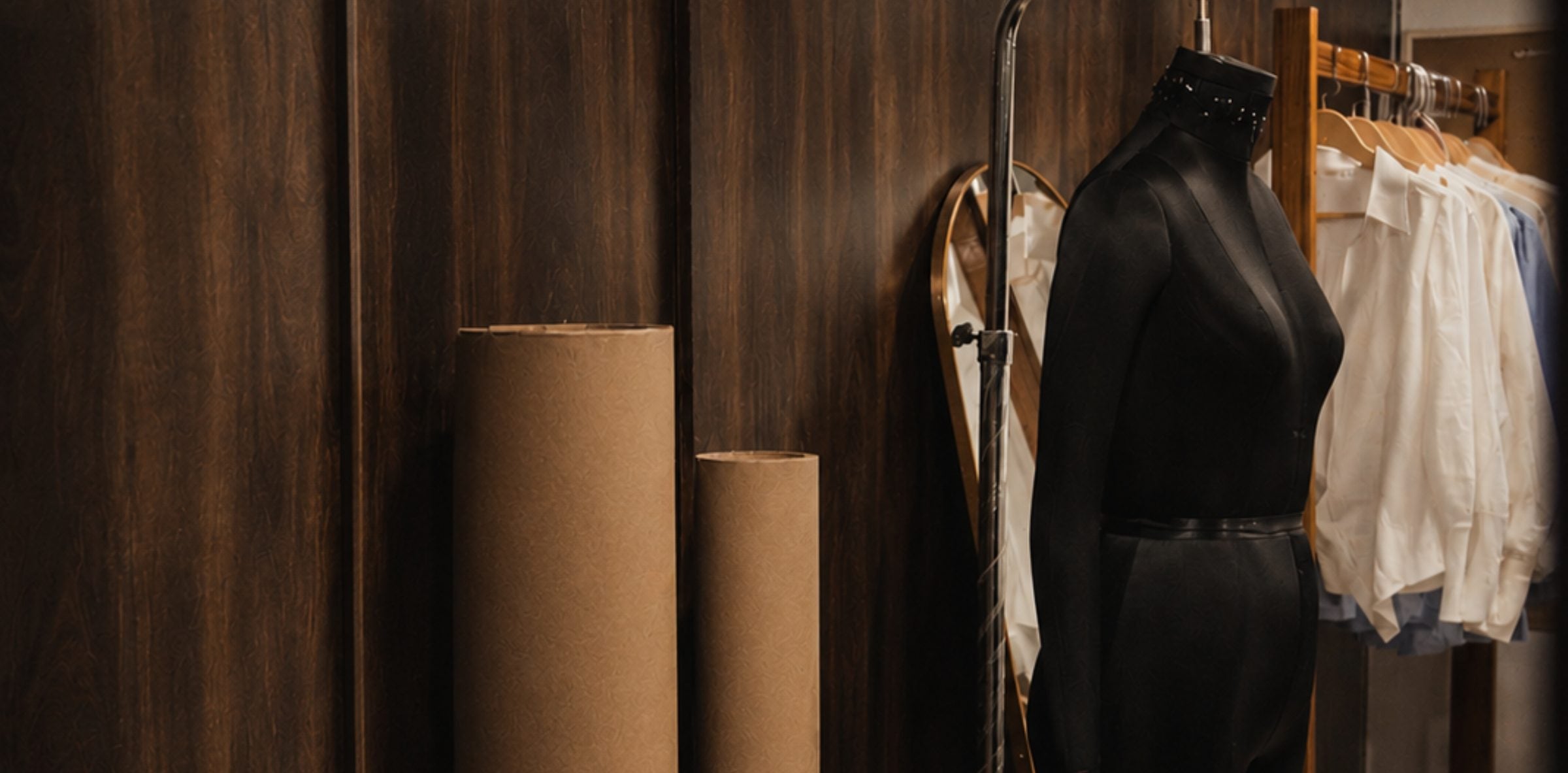
We have high standards.

Made-to-order is the structural part of this, because it is not an initiative. Nothing is cut until you order it, so nothing is made that no one wanted, ensuring minimum wastage.

Materials

Linen

It wrinkles. That is the fibre working.

Flax is stiff and holds a fold. Same property that makes it breathe.

New linen feels crisp, almost dry. It softens with every wash and never quite stops.

Cooler than cotton in humidity. Holds its shape away from the body instead of clinging.

European flax, field-retted.

Organic cotton

Organic is a claim. A licence number is a fact.

Same plant. The difference is what was allowed to touch it. No synthetic pesticides, no GM seed.

GOTS follows those rules past the farm, through dyeing and finishing, and audits the workers' conditions too.

Natural is not a certified word. Nobody checks it.

Nothing sits on the surface, so how it feels on the first wear is how it feels on the fiftieth.

Khadi

Handspun, so no two metres come out the same.

Handspun and handwoven. Handloom is only the second half of that.

A charkha spins in a day what a mill spins in a minute.

No electricity in the making. KVIC puts water use at three litres a metre against fifty-five for mill cloth.

Spinning your own cloth was how India refused British mill fabric.

Slubs and irregular weave are the hand, not a fault.

Cotton linen

Linen's breathability, without linen's discipline.

Linen breathes better. Cotton creases less. You get most of both.

Yarn-dyed, so the colour sits inside the cloth rather than on it.

A blend is harder to recycle than a single fibre. We chose it for how it wears, and brings best of both.

Practices

How it is made, before who wears it.

Cutting

Fabric is 40 to 60% of what a garment costs. Wasting it is not just careless, it is expensive.

Every pattern is laid out to fill the cloth as tightly as the grain allows.

What is left over is cut into pockets, facings, tags, or accessories.

Sampling

Every style is sampled and fitted before a single metre of production fabric is cut.

Measurements are checked against the spec sheet at sample stage, then again before the marker goes onto the main roll.

This is why our production takes longer than it needs to.

Runs

Short runs, made to a number we think we can sell, not a number that lowers the unit cost.

Fewer styles, made properly, is the entire operating model.

Packaging

Every part of it, named.

  • Cloth tags · Natural cotton, undyed
  • Thank-you card and hang tags · Seed paper. Plant it in a pot with a little soil and water it, or put it in your compost. Either way it breaks down.
  • Butter paper · Uncoated and unlaminated, so it composts at home.
  • Mailer · Made from recyclable paper, easily biodegradable.
  • Stickers · Made from paper.

No plastic polybags. Nothing laminated, because a laminate is what stops paper from breaking down.

Honesty

The things we have not fixed yet.

We are small and this is our first collection. Some of what we wanted to do, we could not do at this size. Rather than leave those things off the site, here they are.

Our thread is polyester.

Industry standard, and we use it for a practical reason: cotton thread breaks at industrial sewing speeds, and a seam that fails turns the whole garment into waste. It is a small part of the piece by weight and the part we like least.

Some buttons are plastic.

Most are wood or mother-of-pearl. However, on certain styles they are not, because we could not source the right one in a natural material at the quantity we needed. We will change them when we can order in larger runs.

Our plans for the society is still under process.

We have specific things in mind: None of them exists yet. An intention is not a programme, and calling it one would be the exact thing this page is here to avoid.

This list should get shorter. If something disappears from it without explanation, ask us why.

Every decision we make affects the way:


you feel in what you wear.

Linen that breathes through your day. Cotton that softens into the shirt you reach for without thinking. Natural fibres behave like a second skin, not like packaging: they get better with wear, and they shed no plastic into your wash. About 60% of fashion's materials are plastic. None of ours are.

Source: UN Environment Programme

the people who make it cherish.

Kynd works to revive the Indian artisanal community: the karigars, weavers and masters whose craft is losing ground to factory floors. Every piece is cut and sewn in our own kaargah on fair wages and safe hours, and GOTS extends the standard beyond our walls, with social criteria built on ILO conventions at every certified stage and organic farming that spares cotton growers the pesticide load of conventional fields. Handloom still employs 3.5 million rural Indians. Seven in ten are women.

Sources: GOTS, Social Criteria · Press Information Bureau

the planet lives burden-free.

So we choose fibres that ask less of it. Our GOTS certified organic cotton grows without synthetic pesticides, on fields that are about 80% rain-fed. Our European flax grows on rainfall alone and is retted by dew, not water. Our khadi is spun and woven by hand: 3 litres of water per metre, against mill fabric's 55.

Sources: Textile Exchange data · Alliance for European Flax-Linen · KVIC data
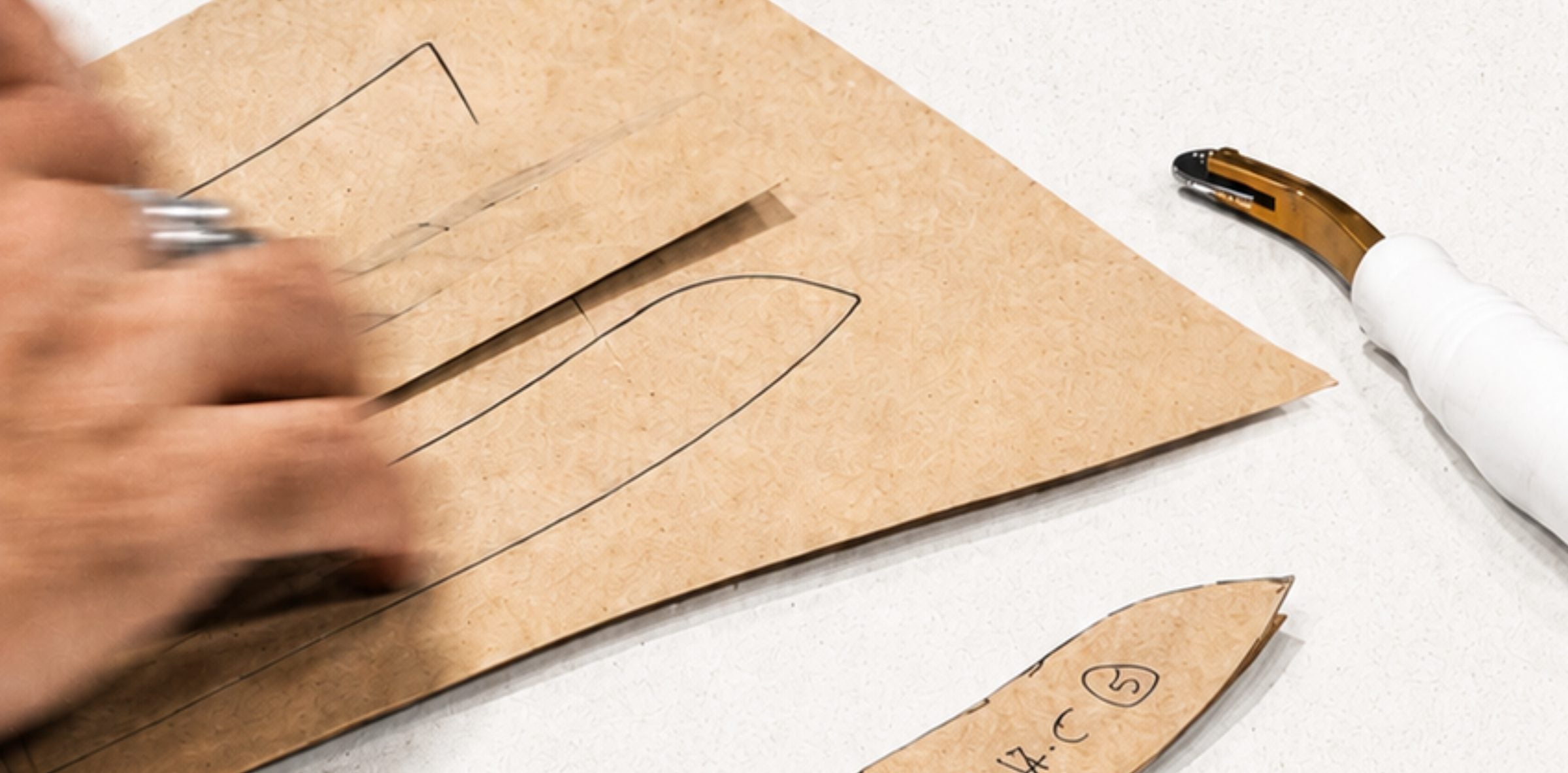

Cut the toxic out. Of the chat, calendar and closet.

The Unfinished

Shipping burns fuel we cannot yet account for piece by piece. Our sewing thread is still conventional polyester, the industry standard we have not yet replaced. We do not have a take-back programme; we are on our way.

This section will shrink as we grow. That is the plan, and the promise. Every certification above carries a licence number and a scope on the Kaargah.